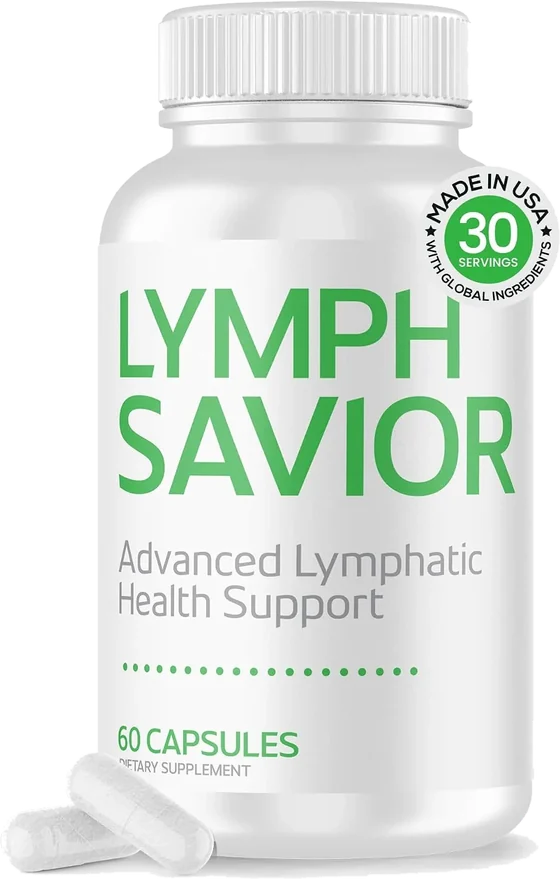
Lymph Savior disclaimer
What this site can and cannot tell you about Lymph Savior, and the times a clinician should come before an order.
The FDA statement that applies to Lymph Savior
These statements have not been evaluated by the Food and Drug Administration. This product is not intended to diagnose, treat, cure, or prevent any disease.
That sentence is printed on the Lymph Savior label and in the notes at the foot of every page here. It means what it says. Lymph Savior is sold as a dietary supplement, and the FDA does not check supplements for safety or effectiveness before they reach shoppers. The agency’s overview of dietary supplements and its questions and answers page explain how the rules for supplements differ from the rules for medicines.
Lymph Savior pages are general information, not medical advice
Everything on golymphsavior.com is written for a general reader. It is not a diagnosis, it cannot take your health history into account, and it does not replace a visit to a doctor, nurse or pharmacist. The review by Dr. Brenda McCool, ND checks that each page is accurate and carefully worded; it does not turn a page into advice about your own body.
If you take prescribed medicine or follow a treatment plan, keep to it. Do not stop, skip or change a prescription because you have started a supplement, and tell every clinician you see what you take, which MedlinePlus advises for all supplements. The same goes for herbal products in particular, as its page on herbal medicine explains.
See a clinician before Lymph Savior if any of this applies
Swelling has many causes. Most are ordinary, and some are urgent. The situations below come before any order, and before any supplement at all.
- Swelling in one arm or leg, above all if it came on suddenly or the area is painful, warm or red. That pattern can mean a blood clot in a deep vein, which can break loose and travel to the lungs, so get medical care the same day (MedlinePlus on deep vein thrombosis, NHLBI on venous thromboembolism). If you have chest pain or you are short of breath, call 911.
- Lymphedema, or swelling after cancer treatment. Lymph can collect in the tissues when the lymph system is damaged or blocked, for example after surgery, radiation or the removal of lymph nodes. That swelling belongs with your care team, who may use exercise, compression, skin care and specialist massage (MedlinePlus on lymphedema, the National Cancer Institute on lymphedema).
- Heart, kidney or liver disease, or swelling that is getting worse. These conditions can make the body hold on to fluid, and swollen legs can be a sign that one of them needs attention (MedlinePlus on foot, leg and ankle swelling, heart failure, kidney diseases, NIDDK on kidney disease).
- Signs of infection: skin that is red, warm, swollen and tender, especially with a fever or chills. That can be cellulitis, a bacterial skin infection that needs treatment (MedlinePlus on cellulitis).
- Water pills or blood thinners. If you take a diuretic such as hydrochlorothiazide or a blood thinner such as warfarin, ask the prescriber before adding any supplement. Blood thinners can interact with foods, other medicines, vitamins and supplements, so your provider should know about every one you take (MedlinePlus on blood thinners). Some medicines can cause swelling themselves, among them calcium channel blockers, hormones, anti-inflammatory painkillers, steroids and some antidepressants, which is one more reason to start with the prescriber.
- Pregnancy, breastfeeding or age under 18. The label asks this group to consult a physician first. NCCIH notes that red clover may be unsafe during pregnancy or breastfeeding, and that the safety of horse chestnut at those times is not known (NCCIH on red clover, NCCIH on horse chestnut, MedlinePlus on pregnancy and medicines).
- Allergies to the daisy family, such as ragweed, chrysanthemums or marigolds. Echinacea and burdock belong to that family, and echinacea can cause allergic reactions that are sometimes severe (NCCIH on echinacea).
- Caffeine limits. Yerba mate naturally contains caffeine, and the label does not say how much. If you keep caffeine low for your heart, your sleep or a pregnancy, count this in (FDA on caffeine).
A note on horse chestnut. The raw seed, bark, flower and leaf are unsafe to take by mouth. Research has used standardized horse chestnut seed extract, which is the form this label lists, and the side effects reported include dizziness, digestive upset, headache and itching (NCCIH).
If swelling is new, sits on one side, hurts or keeps growing, see a clinician before you think about any supplement, this one included.
The cautions printed on the Lymph Savior label
In plain words, the label’s own directions and cautions say:
- Adults take two capsules a day, ideally with 6–8 oz of water, unless a healthcare professional directs otherwise. Do not go above that amount.
- Anyone pregnant or nursing, anyone under 18 and anyone with a known medical condition should talk to a physician before using this or any other supplement.
- Keep the bottle out of children’s reach.
- Do not use a bottle whose safety seal is damaged or missing.
- Store it somewhere cool and dry.
The capsule shell is gelatin and the other ingredient is brown rice flour, so Lymph Savior is not suitable for vegetarians or vegans. The label adds that no eggs, dairy, wheat or preservatives are added.
Lymph Savior is not a detox, a flush or a swelling treatment
The claim on the label is “Advanced Lymphatic Health Support”. That is a support statement for a dietary supplement, not a medical claim, and this site does not stretch it. Lymph Savior is not a treatment for lymphedema, edema, swollen legs or any other condition, and it does not replace compression garments, an exercise program, manual lymphatic drainage or any medicine.
Some sales material in this aisle talks about flushing out toxins or shrinking swelling by a percentage. The Lymph Savior label says neither, so this site does not either. Where a sales page makes a promise the label does not, the label is what this site follows.
Where the Lymph Savior facts on this site come from
Product facts come from the label: a serving of two capsules, 30 servings to a bottle, and eleven botanical lines, each with its own amount in micrograms (mcg). The amounts are copied from the Supplement Facts image the brand publishes online, in the unit printed, and never converted. The checkout page shows only the front of the bottle, so check the panel on the bottle you receive; if it differs from this site, follow the bottle and tell us.
Prices, pack sizes and the money-back window are set at checkout, and the checkout’s terms apply to your order. The seals on the home page come from the seller’s listing and are shown as the seller’s claims. The whole method is on the sources and review page.
No Lymph Savior result is promised
No page on this site promises a result, a timescale or a change in how your body looks or feels. No published trial has tested Lymph Savior as a finished product. Studies on single plants, such as horse chestnut seed extract, used their own doses and their own groups of people, and their findings cannot be carried over to this capsule.
Individual experiences vary. Movement, water, sleep and long hours on your feet all change how your legs feel at the end of the day, and they deserve attention whatever you decide about a supplement.
How Golymphsavior earns from Lymph Savior
Golymphsavior is paid when you buy Lymph Savior through the order buttons on this site, which are marked as sponsored links. You pay the price shown at checkout; buying through this site does not add to it. The payment does not change the cautions or the doctor-first advice, which appear whether or not they help a sale. Advertising for health products is expected to rest on sound evidence, as FTC guidance for health products sets out, and this site keeps its wording inside what the label says.
Reporting a problem with Lymph Savior
If you feel unwell after taking Lymph Savior, stop taking it and contact a doctor; in an emergency, call 911. You or your doctor can also tell the FDA about a suspected reaction to a dietary supplement, as its page on how to report a problem with dietary supplements explains.
For a broken seal, a wrong pack or a refund, call the order desk with your order ID; the number is in the site footer. For a mistake on a page, write to the website inbox, also in the footer, and the page will be checked and corrected.
When this Lymph Savior disclaimer changes
This page is revised when the label, the seller’s terms or the health guidance it relies on changes, and the date in the byline moves with each revision. For a wider introduction to supplements, NCCIH’s page on using dietary supplements wisely and the NIH Office of Dietary Supplements’ consumer guide are good places to start, and MedlinePlus keeps a plain overview of swelling and of edema.